


.png)
Fuel For the Run
- KC.RUN.COACH

- Sep 22, 2025
- 5 min read
The Power of Nutrition and Hydration
Running isn’t only about the miles you log—it’s about how you prepare your body to meet those miles. The hours you spend on the road or trail are just one piece of the puzzle. What you eat, what you drink, and how you care for your body in between those miles can be the difference between a breakthrough run and a frustrating one.
Food and hydration aren’t afterthoughts; they’re part of your training plan. The right fuel sharpens your endurance, shortens recovery, and transforms your running experience. Think of nutrition as your body’s silent partner. It doesn’t clap at the finish line or call out your splits, but it powers every step you take. When you fuel with intention, you’re telling your body: I respect the work we’re about to do.
Why Fuel Matters
Runners often think of training in terms of effort—how fast, how far, how many miles per week. But fueling is effort too, only quieter and more invisible. The food you choose becomes energy in your muscles. The fluids you sip regulate your temperature, move oxygen through your bloodstream, and keep fatigue at bay.
Without proper fueling, even the strongest training plan can unravel. You might feel great for a few miles, only to suddenly “hit the wall”—a dramatic crash when glycogen stores run dry. Hydration mistakes can be just as costly, leading to cramps, dizziness, or exhaustion long before your legs give out.
The good news? Fueling is something you can train just like running. Every pre-run breakfast, every sip of water, every recovery meal is practice for race day.
Practical Fueling Strategies
1. Pre-Run Fuel: Building Your Energy Base

What you eat before you lace up sets the stage for the miles ahead. Ideally, a pre-run meal should happen 2–3 hours before your workout. The goal is simple: give your body enough easily digestible fuel without weighing it down.
Carbs are king: Carbohydrates are your body’s primary energy source during running. Foods like oatmeal, bananas, or a slice of whole-grain toast with nut butter provide a steady release of energy.
Protein plays support: A small amount of protein helps sustain energy and primes your muscles for work. Think Greek yogurt, eggs, or a smoothie with nut butter.
Avoid the gut bombs: Skip foods that are high in fat, fiber, or spice. They’re harder to digest and can lead to mid-run stomach issues.
If you’re running early in the morning and don’t have time for a full meal, even a small snack—half a banana or a handful of pretzels—can give you a head start. Experiment during training to find the balance your stomach tolerates best.
Reflective note: Pre-run fueling isn’t just about food—it’s a ritual. The act of sitting down for that meal is a way of telling yourself: Today, I’m preparing to go out and give effort. It grounds you before the run begins.
2. Fueling During the Run: Energy in Motion
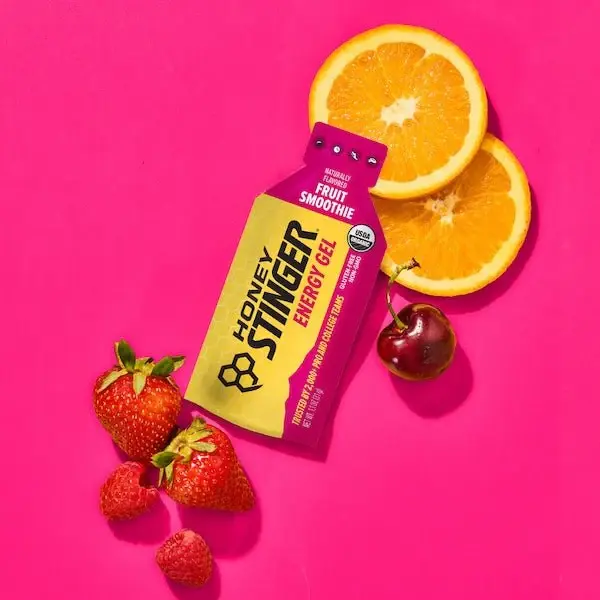
If your run is under an hour, your body’s glycogen stores will usually cover you. But once you push past 60–75 minutes, your energy supply begins to dwindle. That’s when mid-run fueling becomes essential.
Energy gels, chews, and sports drinks are convenient because they deliver quick-digesting carbs your muscles can use immediately.
Natural options like dates, raisins, or dried mango can work just as well if you prefer whole foods.
The golden rule: Don’t wait until you feel drained. By the time fatigue sets in, you’re already behind. Take in 30–60 grams of carbs per hour of running, depending on intensity.
Fueling during the run is as much about rhythm as it is about calories. The more you practice eating on the run, the more efficient your body becomes at using that fuel.
Reflective note: Think of it as leaving breadcrumbs on the trail—not food for later, but energy to keep you from getting lost in fatigue. Each small bite or sip is an act of self-trust: I’m giving myself what I need to keep going.
3. Hydration: More Than Just Water

Hydration is the unsung hero of endurance. Your body is about 60% water, and running drains it faster than you might think. Sweat carries away not only fluid but electrolytes like sodium, potassium, and magnesium—minerals that keep your muscles contracting and your nerves firing.
Everyday hydration: Don’t wait until the run to drink. Sip water consistently throughout the day. A good sign you’re hydrated is light-colored urine.
During the run: For short runs, water alone usually suffices. For longer runs, especially in hot or humid conditions, add electrolytes to replace what you’re losing in sweat. Sports drinks, electrolyte tablets, or coconut water can help.
Signs of underhydration: Dizziness, dry mouth, headaches, or cramping are signals your body is running dry.
Hydration is often overlooked because it feels simple. But many runners sabotage themselves by underestimating how much fluid they need.
Reflective note: Water is invisible fuel. You don’t always notice its absence until the moment your body falters. Staying hydrated is like tending a quiet fire—it keeps burning steadily in the background, powering your every step.
4. Post-Run Recovery: Refueling and Repairing

The run doesn’t end at the finish line. In many ways, what you do afterward determines how strong you’ll be for your next effort. The 30–60 minutes after a run is a crucial window to repair muscles, replenish glycogen, and rehydrate.
Carbs rebuild: Your glycogen stores are depleted after a run, so carbs help restore them. Rice, sweet potatoes, or whole-grain pasta are good choices.
Protein repairs: Aim for 15–30 grams of protein to help muscles recover. Options include lean meats, eggs, or a protein smoothie.
Hydrate and replace: Don’t forget fluids and electrolytes—sweat loss continues even after you stop running.
Simple go-to recovery meals:
Chocolate milk (a classic runner’s favorite because it balances carbs and protein).
A fruit-and-yogurt smoothie with added protein.
A rice-and-egg bowl with veggies.
Reflective note: Refueling is a way of honoring the work you’ve done. Skipping recovery is like finishing a masterpiece painting but refusing to sign it. That small act completes the effort and prepares the canvas for the next.
The Bigger Picture: Consistency in Fueling
Just like training, nutrition is about patterns, not perfection. One “bad” meal won’t ruin your performance, and one “perfect” meal won’t win you a race. It’s the accumulation of daily choices that shape your strength.
When you fuel well consistently, you’re not just preparing your body to run stronger—you’re preparing your mind to endure longer. Every bite, every sip, is an investment in the runner you’re becoming.
Final Thought
Running teaches us discipline, patience, and resilience. Nutrition and hydration are the quiet partners in that process. They don’t demand attention the way a tough workout does, but without them, the foundation crumbles.
So, as you map out your training plan, remember that fueling is part of the mileage. Treat your pre-run meal as carefully as your warm-up. Take mid-run fueling as seriously as your pacing. Honor recovery with the same focus you give your long runs.
Because the truth is simple: when you fuel with intention, you’re not just feeding your body—you’re feeding your potential.


Comments